WPA Rolls Out Sports Nutrition Video Series for Young Pool Athletes
The second phase of the WPA Youth Education Program 2026 moves off the table and into the dining hall, with a three-part course led by a former Olympic nutritionist.
The World Pool Association has released a three-part video series on sports nutrition aimed at young pool athletes, the second phase of its Youth Education Program for 2026.
Why does pool need a nutrition programme?
Pool is not traditionally viewed as a physically demanding sport, so what players eat is often treated as an afterthought. Tournament days, though, can stretch for many hours, and athletes may contest several matches lasting 90 minutes to two hours each. Holding energy, concentration and focus across those long days is exactly the kind of marginal gain the WPA is now treating as a development issue rather than a lifestyle footnote.
What do the three videos cover?
The first video, "The Basics", lays out the fundamentals of sports nutrition and explains why it matters specifically for pool players. The second, "During Training and Matches", deals with everyday fueling — how athletes can organise what they eat and drink around practice sessions and match play. The third, "During Tournaments", tackles the hardest scenario: competition days with several matches, long waits between rounds and the need to stay sharp from morning to night.
Who presents the series?
The videos are fronted by Kristin Lundanes Jonvik, Associate Professor in the Department of Physical Performance at the Norwegian School of Sport Sciences (NIH) in Oslo. She is a clinical nutritionist with a PhD in sports nutrition, served as a nutritionist for the Dutch Olympic Committee between 2011 and 2018, and since last year has been building NIH's new Master's programme in sports nutrition.
Where does this fit in the wider programme?
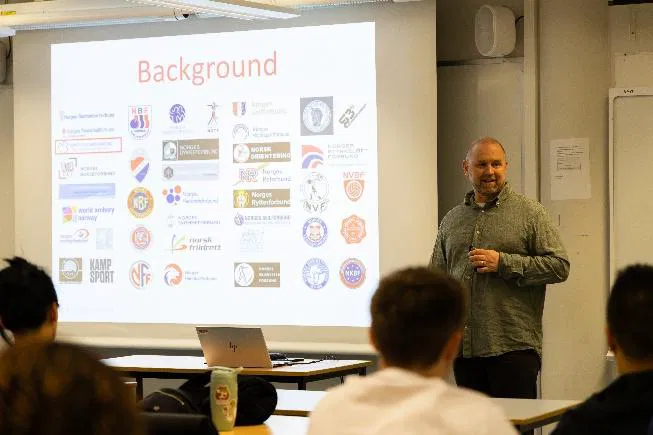
The nutrition series is Phase 2 of the WPA Youth Education Program 2026. Phase 1, focused on sport psychology and mental performance, was delivered in person on 14 June at NIH during the U19 Heyball World Championship in Oslo. That session, led by Norwegian sport psychology researcher Frank Eirik Abrahamsen, drew 38 participants from 11 countries — 24 young athletes, six para-athletes and eight parents, coaches and team leaders.
Going digital for Phase 2 lets the WPA reach a far wider audience: the videos are intended for reuse by WPA member federations, coaches and athletes worldwide. The programme also sits alongside the WPA's Memorandum of Understanding with the International School Sport Federation, which centres on youth development and education.
Source: World Pool Association