Sheffield Community Snooker Puts Local Coach Training First
The WPBSA-backed project links community equipment with trained session leaders and continuing support.
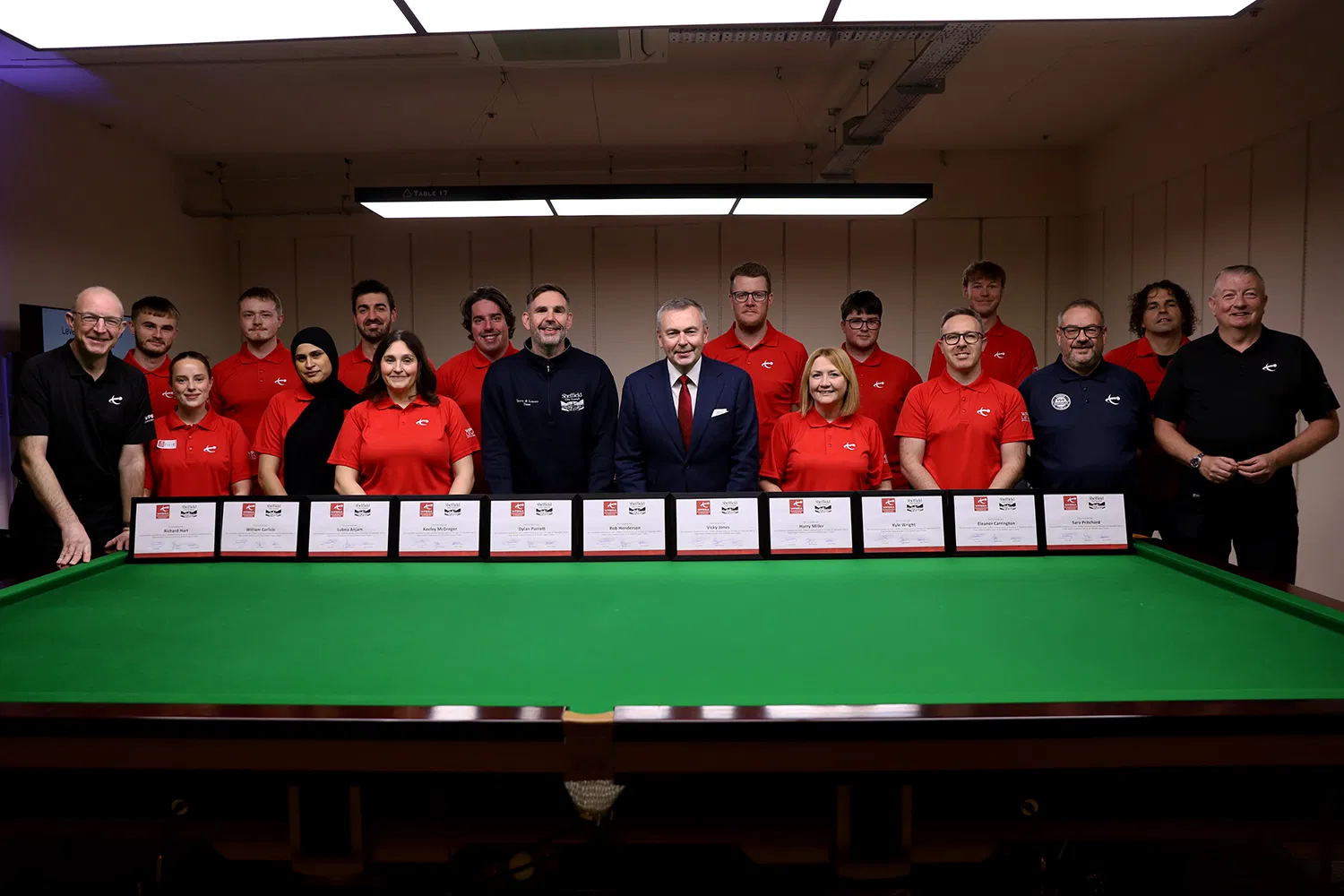
A community snooker program needs someone who can keep teaching after the launch event ends. Sheffield's Cue Zone in the Community project puts local venue workers at the center of that process, combining coach training with equipment and follow-up support.
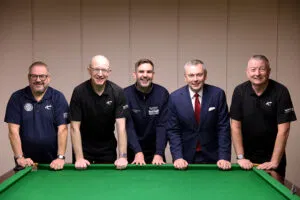
In a November 18 report, the World Professional Billiards and Snooker Association said 14 people working at Sheffield community venues attended its Level 1 Snooker Coach course at the Ding Junhui Snooker Academy. The initiative is organized with Sheffield City Council under the Sheffield Legacy Project.
What did Sheffield put in place?
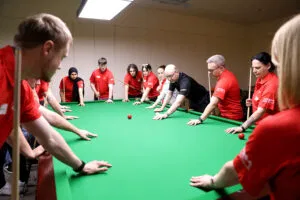
According to the WPBSA, the course covered game basics and ways to run enjoyable sessions. Chris Lovell led the training with coaches Andrew Highfield and Nick Smithson.
The association and council have part-donated 16 six-foot Xing Pai tables to local venues. Smithson will provide mentorship and support to the new coaches as they introduce young people to snooker.
Those are the reported arrangements. They don't yet establish how many young people will attend regularly or what long-term results the project will achieve.
Why does training people at the venue matter?
Our reading of the model is that it gives a community venue a person to organize the next session, rather than leaving that task undefined after an introductory event.
For another club considering a similar approach, a useful planning question is: who will open the room, welcome newcomers, and lead the activity next week? Equipment is only one part of that answer.
Our editorial suggestion is to assign those responsibilities before announcing a regular program. Agree who handles bookings and who can step in if the usual leader is unavailable. These are planning recommendations, not additional WPBSA course requirements.
What should a first session aim to deliver?
For a beginner group, we suggest choosing one clear activity the session leader can explain and supervise. Keep the goal understandable and give participants a chance to try it themselves.
For example, a leader might ask each participant what they intended to do on a shot and what happened. That creates a conversation about the attempt without turning a first visit into a formal ability assessment.
Avoid making the entire session a demonstration by the strongest player. Plan how everyone will take part and how waiting participants can stay involved.
How can a venue support its new session leaders?
Sheffield's reported mentorship arrangement is a feature worth noticing. Completing an introductory course and managing a recurring group are different stages of the work.
Our recommendation for a local program is to agree how its leaders can ask for help. Keep questions specific: a session ran longer than expected, a group needed a simpler activity, or attendance made table rotation difficult.
A brief session note can preserve those observations. It doesn't need to grade every participant. Its purpose is to help the next session run more clearly.
What should organizers measure after the launch?
The Sheffield report describes the project's setup, not an independent evaluation of its outcomes. Other venues should make the same distinction when describing their own work.
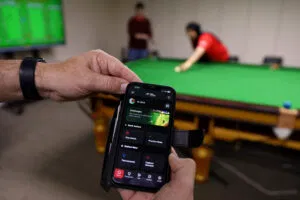
Our suggested starting records are simple: sessions actually held, attendance, return visits, and issues reported by session leaders. Don't turn an equipment count or a training-day photograph into a claim about participation growth.
Ask newcomers what would make it easier to return. Their answers can guide practical changes, while the attendance record shows whether those changes coincide with more repeat visits. Neither alone proves why someone continued or stopped coming.
How does this fit Sheffield's wider project?
The WPBSA says the Sheffield Legacy Project began during the 2026 World Snooker Championship. It also reports a celebration day planned for the Friday before next year's world final. That is a stated plan, not a completed event or a confirmed attendance result.
Who attended the coaching course?
The WPBSA reports that 14 people working at local community venues took part.
Were the tables full-size tournament tables?
No. The report identifies 16 six-foot Xing Pai snooker tables.
Has the project's long-term success been established?
The source describes training, equipment, and planned support. It does not provide long-term participation results.
Source: WPBSA — Cue Zone in the Community Project Kicks Off in Sheffield