Maple vs. Carbon Fiber: What a Shaft Material Actually Changes
The shaft is the part of the cue that does the work. Here is what maple and carbon fiber each give you — honestly, not from a product page.
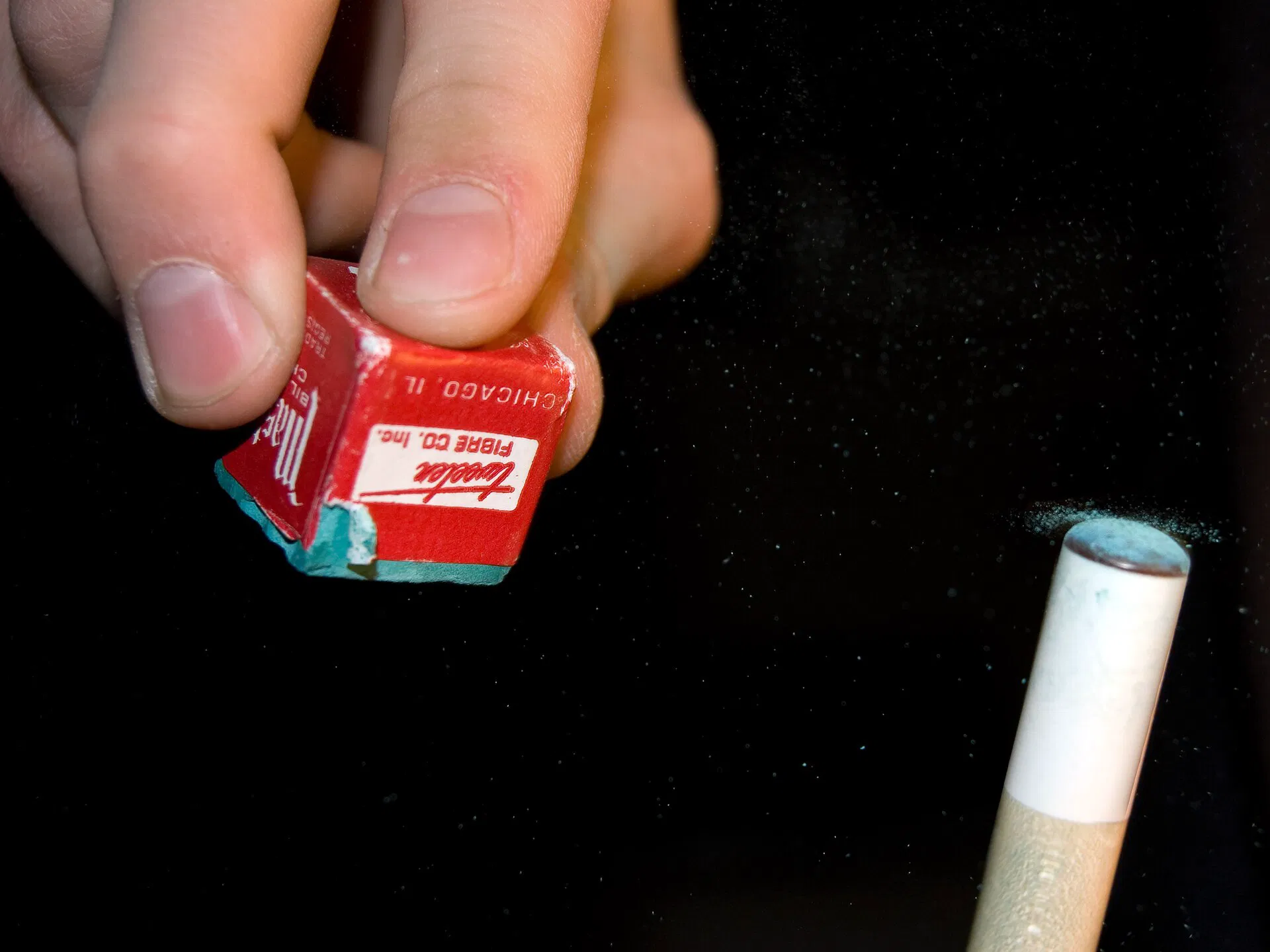
Spend money on a cue and most of it goes into the part you almost never look at: the front twelve inches of shaft. What that wood — or carbon — is made of changes three things a player can actually feel.
Deflection
Every cue pushes the cue ball slightly offline when you hit with side spin; that is deflection, and shafts differ in how much they produce. Low-deflection maple shafts were engineered for years to reduce it. Carbon fiber took it further — most carbon shafts deflect measurably less than maple equivalents, which is why they spread through the pro game so fast.
Feel and feedback
Maple flexes and transmits a warmer, "woodier" hit that most players grew up on and many still prefer. Carbon is stiffer; the feedback is crisper, sometimes described as hollow or muted. Neither is wrong — it is preference shaped by thousands of shots of muscle memory.
Durability and upkeep
This is where the practical case gets one-sided. Maple absorbs moisture, dings and warps over time; it needs cleaning and care. Carbon shrugs off chalk dust, sweat and temperature swings with almost no maintenance — a real advantage for a cue that travels or lives in a car.
Cost and who should switch
Carbon shafts run several hundred dollars — a serious step up for a league player. The honest take: if you are still learning your stroke, a solid maple cue teaches you more, because the shaft's feedback tells you what went wrong. Carbon rewards a player who already has a repeatable delivery and wants consistency above all.
Sources: Equipment manufacturer specifications, Billiard News gear coverage.