Break Cue vs Jump Cue vs Playing Cue: 3 Cues, 3 Different Jobs
Break cue vs jump cue vs playing cue: lengths, weights, tips and WPA limits explained, plus when a jump-break combo makes sense for US league players.
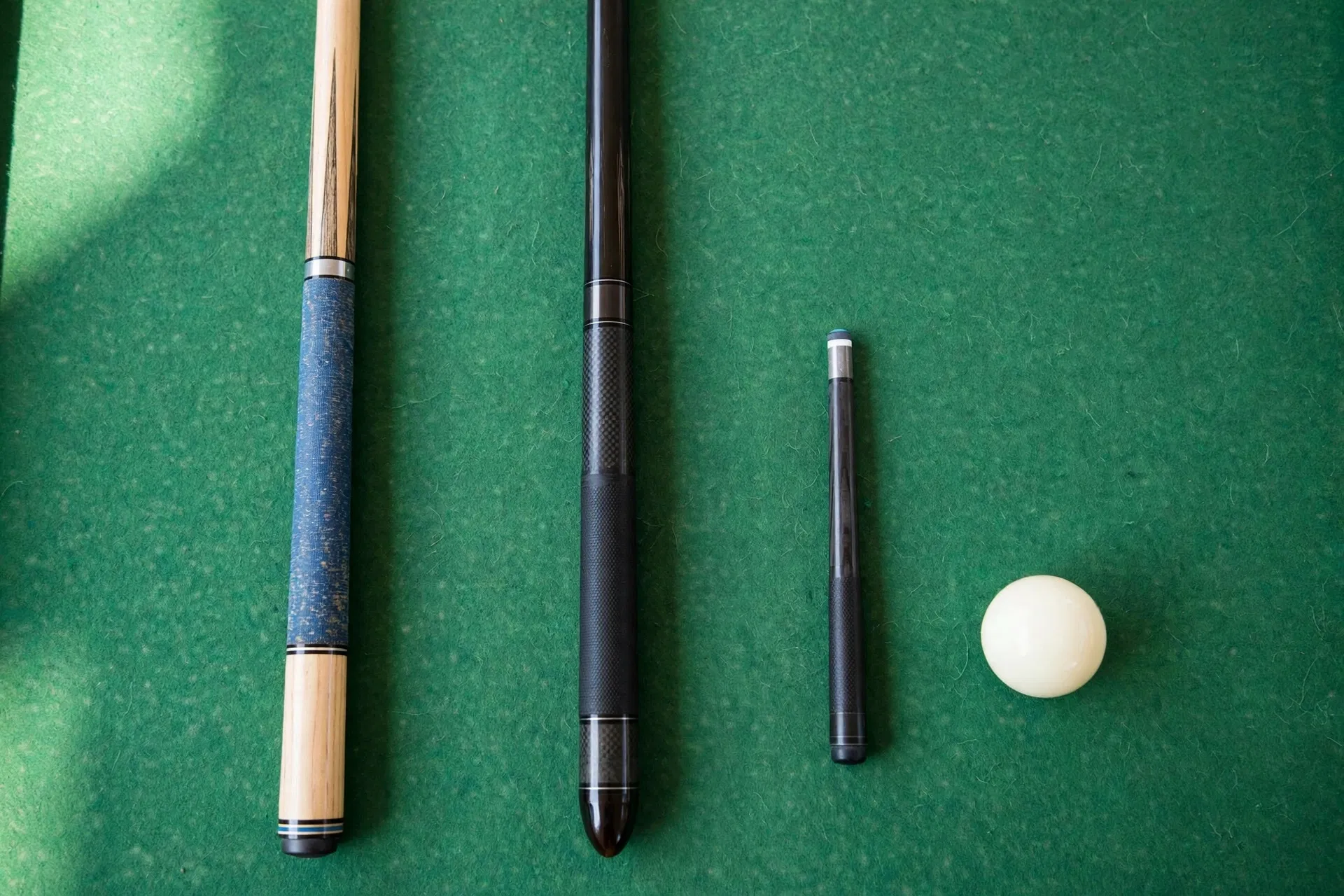
A playing cue, a break cue and a jump cue are three different tools built for three different shots. The playing cue is a full-length 57 to 58-inch cue with a leather tip that takes every normal shot. The break cue keeps that length but trades feel for a stiff shaft and a very hard tip that survives full-power break shots. The jump cue is the odd one out: short (around 41 inches), light and stiff, built to lift the cue ball over a blocking ball.
Key points
- Playing cue: 57-58 inches, 18-21 oz, 12.5-13mm leather tip; it takes roughly 90% of your shots.
- Break cue: full length, stiffer shaft, hard phenolic-style tip; built for one maximum-power hit per rack.
- Jump cue: about 41 inches and as light as 8.5 oz, with a hard tip; short and light so you can elevate the cue steeply.
- WPA equipment limits apply to all of them: at least 40 inches long, no more than 25 oz, tip no wider than 14mm.
What makes a playing cue different?
The playing cue is optimized for control and feel. Standard published specs cluster tightly: about 58 inches long, 19 to 19.5 ounces for most adults, and a 12.5 to 13mm leather tip that grips the cue ball for draw, follow and English. The shaft is chosen for a predictable hit rather than raw stiffness, which is why shaft material matters so much: our comparison of maple vs carbon fiber shafts explains what actually changes between materials. Modern budget lines now offer glass fiber and carbon shafts at league prices too; brands such as Wowcue sell glass fiber playing cues from $159 at the time of writing, which is why the playing cue, not the specialty cues, is where most players should spend first.
What makes a break cue different?
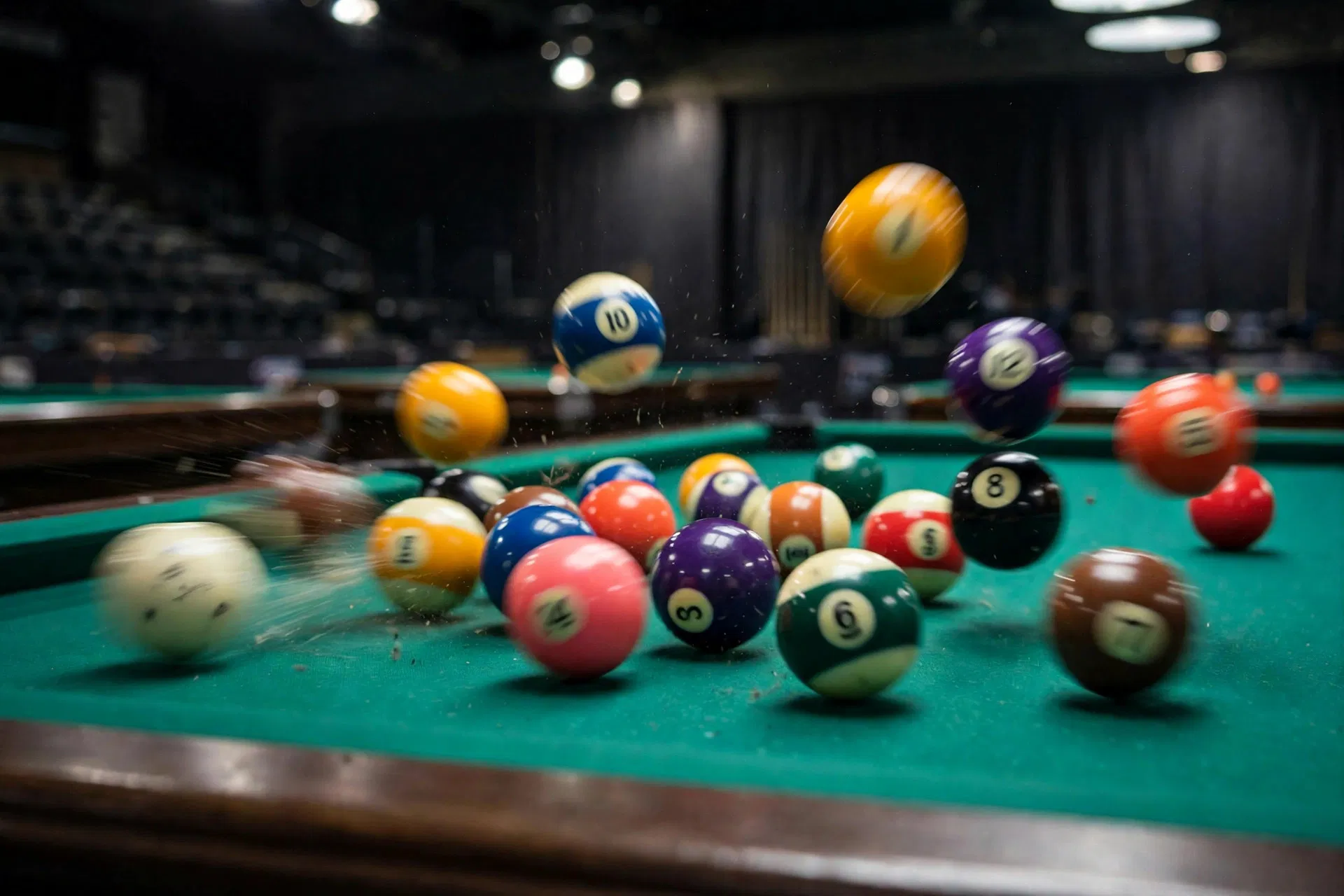
A break cue is the same size as a playing cue but built to be hit hard, repeatedly. Published examples show the pattern: Mezz's Power Break Kai matches its playing cue at 58 inches and 19 to 19.5 oz but uses a 13mm Sonic hard tip, and McDermott's Sledgehammer uses a 13.25mm phenolic tip on a maple shaft. A very hard tip compresses less, transfers slightly more energy and keeps its shape under break speed, but it holds chalk poorly, which is why it lives on the break cue instead of your playing cue. The second job of a break cue is protection: every full-power break you take with it is one your playing tip and ferrule do not have to absorb. Technique still matters more than hardware, as our guide to break technique and control before power shows.
What makes a jump cue different?
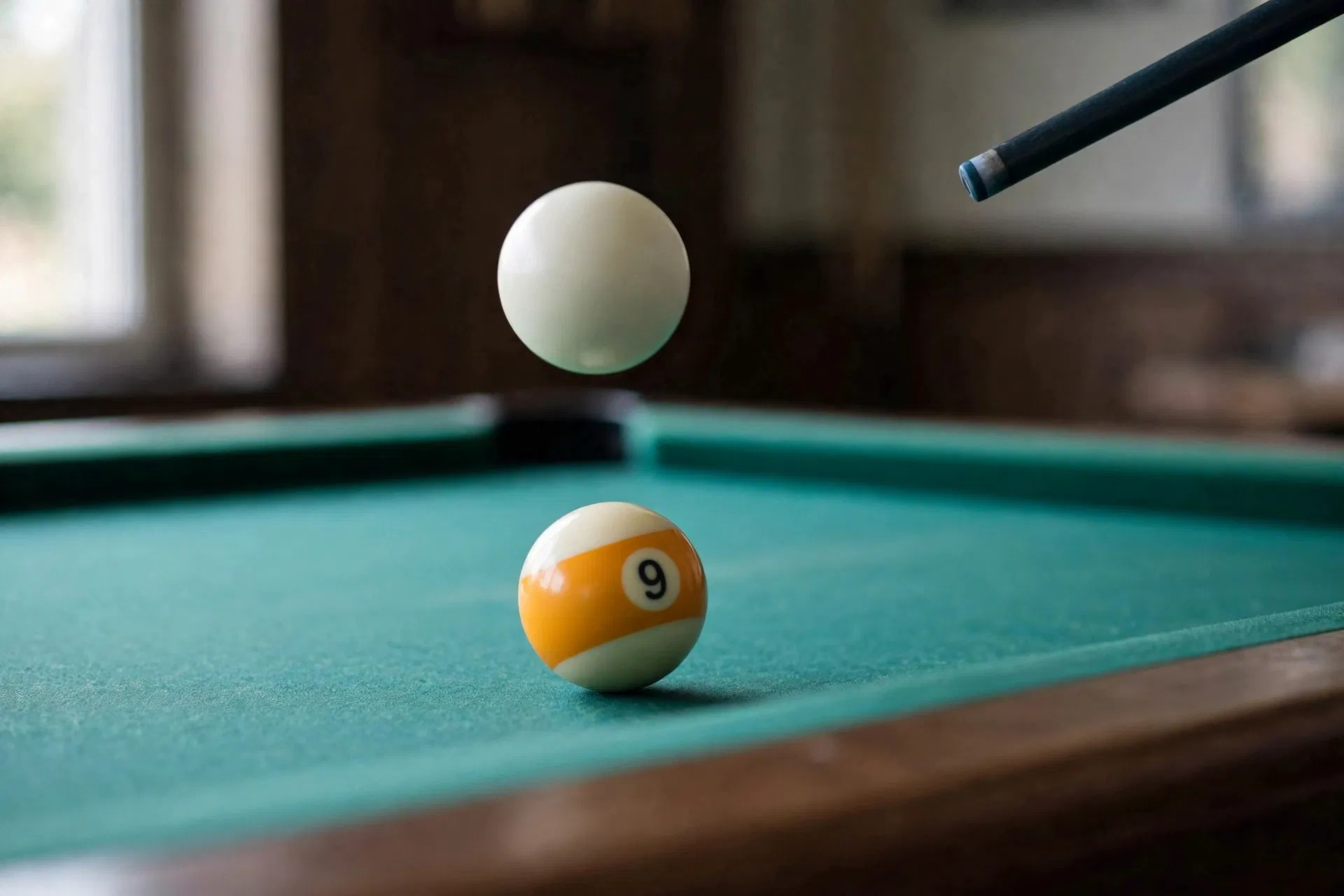
In Dr. Dave Alciatore's summary, a jump cue is "shorter, lighter and stiffer, with a hard tip." Mezz's Airdrive 3 is a typical published example at 41.3 inches and about 8.5 ounces, and most dedicated jump cues fall between 40 and 42 inches. The short length lets you raise the butt to a steep angle without your bridge hand jamming into the rail, and the low mass keeps the cue ball from picking up unwanted forward momentum on the rebound. A jump-break combo splits the difference: full length for breaking, with a removable butt section that shortens it for jumping. Before you buy one, check your league's rules: our explainer on whether jump shots are legal under WPA, APA and CSI rules covers where jump cues are allowed and where they are not, and the 15-shot drill for shooting over a blocking ball builds the alternative skill for nights when jumping is off the table.
How do the three cues compare side by side?
| Feature | Playing cue | Break cue | Jump cue |
|---|---|---|---|
| Main job | Every normal shot | The opening break | Jumping a blocking ball |
| Length | 57-58 inches | 58 inches | About 41 inches |
| Weight | 18-21 oz (19-19.5 typical) | 19-21 oz typical | As light as 8.5 oz |
| Tip | Leather, 12.5-13mm | Very hard, phenolic-style, about 13mm | Hard, about 13-13.5mm |
| Shaft feel | Chosen for control and feedback | Stiffer, built for energy transfer | Short and stiff for a steep stroke |
All four cue types, including jump-break combos, sit under the same WPA equipment limits: a minimum length of 40 inches, a maximum weight of 25 ounces and a maximum tip width of 14mm. That 40-inch floor is exactly why jump cues cluster just above it.
FAQ
Do I need a separate break cue?
Not to start. A break cue protects your playing tip and adds a little energy transfer, but most league players get more from a good playing cue and solid break technique first. Add a break cue when you break hard often enough that tip mushrooming and miscues become a pattern.
Why are jump cues so short and light?
The short length lets you elevate the cue to the steep angle a jump shot needs, and the light weight keeps the cue ball from driving forward after it lands. A full-length, full-weight cue makes both parts of that stroke harder, which is why dedicated jump cues exist.
Can I break with my jump cue or jump with my playing cue?
A jump-break combo is designed to do both by removing a butt section. Jumping with a playing cue is possible but difficult and hard on the tip, and some leagues restrict jump shots or the equipment used for them, so check your rulebook first.
What is the minimum legal cue length in pool?
Under WPA recommended equipment specifications, a cue must be at least 40 inches long, weigh no more than 25 ounces and carry a tip no wider than 14mm. Those limits cover playing, break, jump and combo cues at WPA events.
Sources: Cue type dimensions and WPA equipment limits (https://pooltableportfolio.com/blogs/magazine/understanding-different-types-of-pool-cues-a-comprehensive-guide); break vs jump cue construction (https://quarterkingbilliards.com/break-cues-vs-jump-cues-do-you-really-need-both/); jump-break cue definitions (http://talismanbilliards.com/learn/what-is-a-jump-break); Wowcue glass fiber pricing, Prime Cues brand database (https://prime-cues.com/products/wowcue-samurai-warrior-glass-fiber-pool-cue-japanese-legend-n07-50).