What Is a Break-and-Run in Pool? How Pros String Racks Together
A break-and-run is a rack won from your own break without your opponent shooting. Here is what counts, how often pros do it, and what a package means.
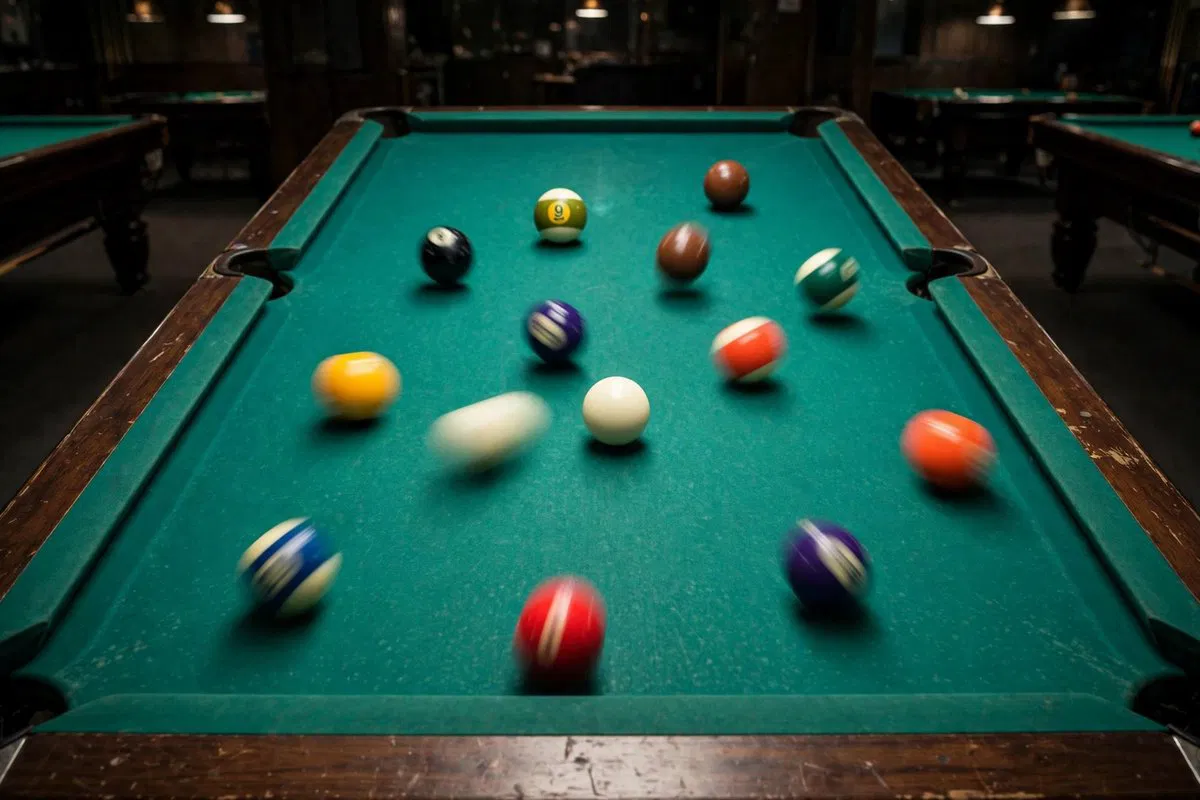
A break-and-run is a rack you win from your own break without your opponent ever getting a shot. You pocket at least one ball on the break, stay at the table, and clear every ball you need in that same turn. If the break comes up dry, or you miss or foul at any point, the rack can still be won — but it is no longer a break-and-run.
Key points
- A break-and-run needs three things: a ball pocketed on your break, no miss or foul, and the winning ball pocketed by you in the same turn.
- At the 2025 Mosconi Cup, 23 of 108 racks (21%) ended as break-and-runs — even the best players in the world run out from the break only about one rack in five under modern pro conditions.
- A run-out is any one-turn clearance; a break-and-run is the specific kind that starts with your own break.
- Consecutive break-and-runs are called a "package" — a 3-pack means three racks in a row won from the break.
What exactly counts as a break-and-run?
Three conditions must all hold. First, you are the breaker and you legally pocket at least one ball on the break shot, which keeps you at the table. Second, you never miss and never foul — a scratch, a double hit, or hitting the wrong ball first ends the run. Third, you finish the rack yourself: in 9-ball that means working through the balls in rotation and legally pocketing the 9-ball; in 8-ball it means clearing your group and then the 8-ball.
A dry break — no ball pocketed — can never become a break-and-run, because your turn ends immediately. The same goes for a break where a ball drops but you scratch: the foul hands the table to your opponent.
How is a break-and-run different from a run-out?
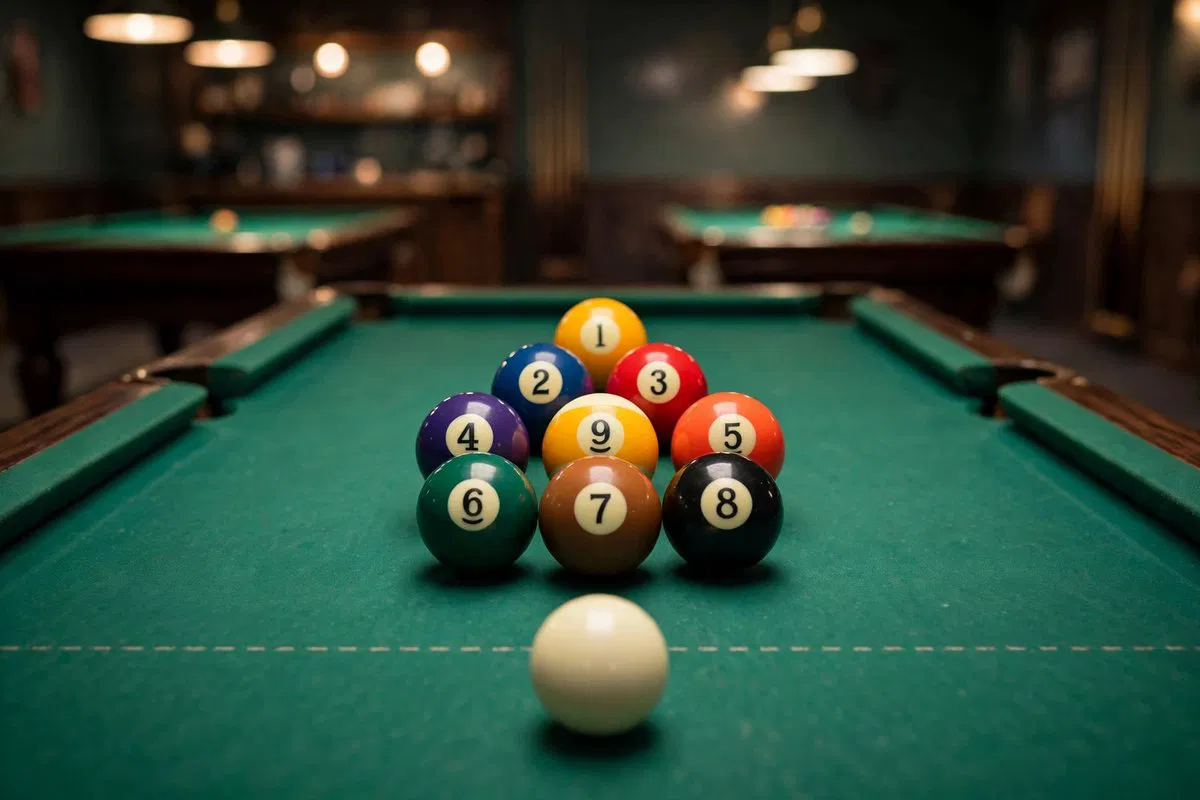
Every break-and-run is a run-out, but not every run-out is a break-and-run. A run-out simply means you cleared the table in one turn from wherever your turn started — for example, after your opponent broke dry and missed, or after they left you an open table. A break-and-run is narrower: the run must begin with your own break shot and cover the full rack.
That distinction matters when you read pro statistics. A player can post a high run-out percentage while break-and-running far less often, because many run-outs start from an opponent's mistake rather than from the break.
How often do pros actually break-and-run?
Less often than highlight reels suggest. Rack-by-rack stats from the 2025 Mosconi Cup in London recorded 23 break-and-run racks out of 108 total breaks — 21% overall, with Team USA at 23% (12 of 53) and Team Europe at 20% (11 of 55). Only two of those racks were 9-balls on the break, about 1.9% of all breaks.
Older research points to a similar ceiling. Phil Capelle's study of 500 games by top professionals, published in his 2001 book Play Your Best Nine Ball, found a break-and-run rate of 28% overall, with Earl Strickland at 33% and Johnny Archer at 32%. Those numbers came from a different era of break rules, which is exactly why modern figures run lower: today's pro game is designed to make the break harder to control.
Why is the modern pro break so hard to run out from?
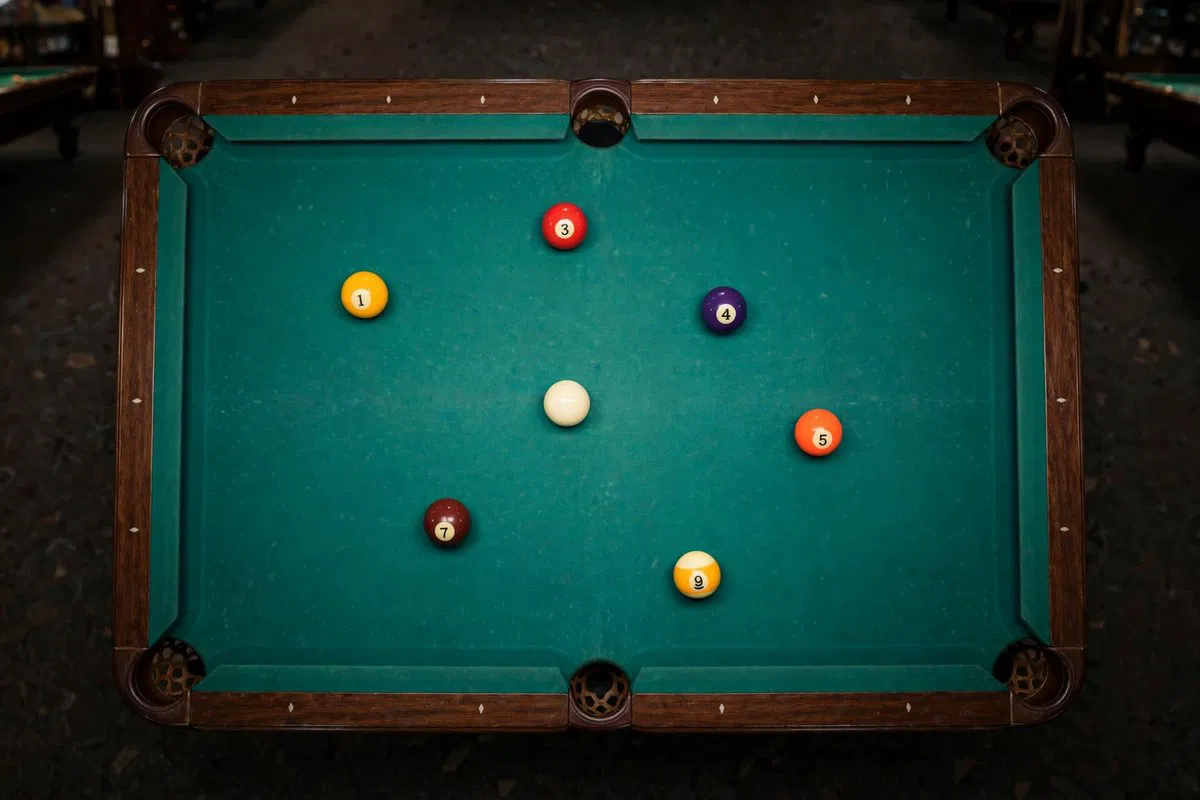
Three rule choices shape the modern break. On the World Nineball Tour (WNT), the 9-ball is racked on the foot spot instead of the 1-ball, the cue ball must be struck from inside a marked break box, and players must use a forceful break — a soft, controlled break can draw a warning and then a foul. Racks are set with a template, and the 2-ball is placed in one of three spots, which removes the predictable wing-ball path players once relied on.
Format matters just as much. In winner-breaks events, a player who break-and-runs keeps the break and can string racks together. In alternate-break formats — used at the Mosconi Cup, where every match is a race to five racks — each side breaks every other rack, so a "package" means break-and-running on your own successive breaks with your opponent's racks in between. The 2025 Mosconi Cup stats recorded three 2-packs for Team USA and none for Team Europe.
If you want to improve your own numbers, start with control before power: our guide to pool break technique covers how to keep the cue ball near center table, and how to rack for 9-ball explains why a tight rack changes everything.
What should you do when the break leaves no shot?
A break-and-run dies the moment the layout says no. Pros protect the rack instead: after the break they may play a push-out in 9-ball to move the cue ball somewhere playable, or play safe and wait for a better chance. Forcing a low-percentage shot just to keep a run alive is how racks get donated.
The same logic applies across formats — the differences are covered in 8-ball, 9-ball and 10-ball compared and 10-ball explained, where the call-shot rules make break-and-runs rarer still.
Frequently asked questions
What does "break and run" mean in pool?
It means the breaker pockets a ball on the break and then makes every ball needed to win the rack in the same turn, without the opponent ever shooting.
Does a 9-ball on the break count as a break-and-run?
Yes. Pocketing the 9-ball on a legal break wins the rack immediately, so it counts as a break-and-run. At the 2025 Mosconi Cup it happened on only about 1.9% of breaks.
What is a "package" in pool?
A package is two or more consecutive break-and-runs by the same player or team — a 2-pack, 3-pack, and so on. In alternate-break formats, the racks in a package are the player's own successive breaks.
What is the difference between a break-and-run and a run-out?
A run-out is clearing the table in one turn from any starting point. A break-and-run is a run-out that starts with your own break shot and includes the whole rack.
Can you break-and-run in 8-ball?
Yes. In 8-ball you pocket a ball on the break, run out your group of solids or stripes, and finish with the 8-ball, all in one turn.
Sources: 2025 Mosconi Cup break statistics; World Nineball Tour Event Rules; Break and Run in Pool; What Is a Break and Run?; Break-and-run percentages discussion